
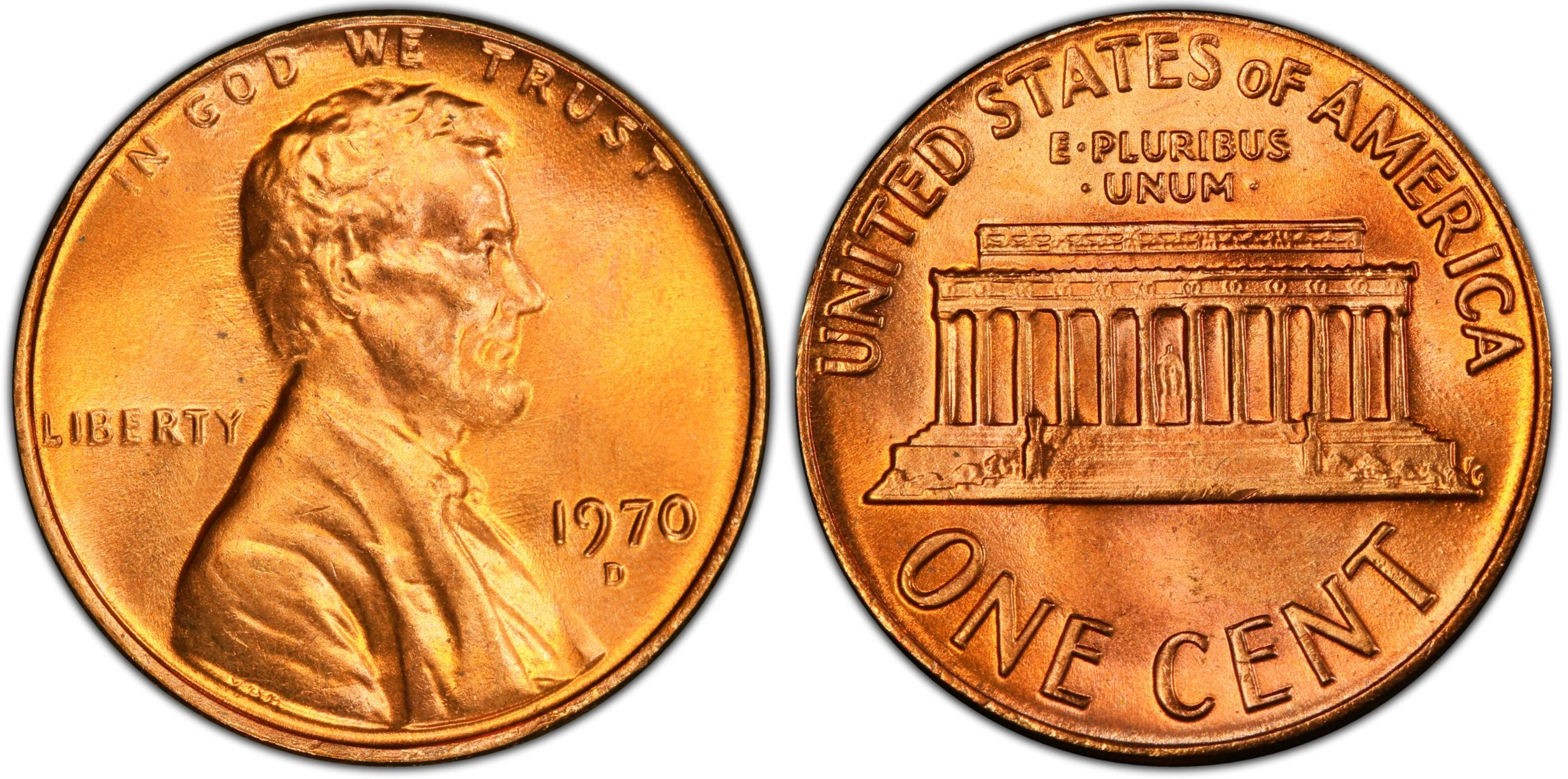
The 1970 penny value can be up to $400 or more dollars, if you have an item with a clipped planchet error. Check items, including San Francisco Small/Large Date, to be among the top collectors.
Three Mints of 1970 Penny
Production volume determines the baseline rarity for any coin series. In 1970, three separate federal facilities produced pennies for public circulation and collector sets.
The total output exceeded five billion pieces, which creates a large supply of ordinary coins today. Collectors must understand where each coin originated to accurately evaluate its market potential.
Mint | Mint Mark | Mintage |
Philadelphia | No Mint Mark | 1,898,315,000 |
Denver | D | 2,891,438,900 |
San Francisco | S | 693,192,814 |
1970 Philadelphia Penny
You can spend them for exactly one cent at any local store. However, registry-set collectors demand pristine, uncirculated specimens. Examples with an MS-65 Red grade or higher possess real value because flawless copper surfaces remain uncommon after decades.
Year | 1970 |
Weight | 3.11 g |
Diameter | 19.00 mm |
Edge | Plain |
Metal | Mostly Copper |
1970 D Denver Mint Penny
These issues serve as the backbone for numismatic students who learn condition evaluation. Because millions survive in excellent condition, only the absolute top-grade examples yield profit. A standard uncirculated 1970 penny from Denver must achieve a nearly perfect grade to attract serious auction bids.
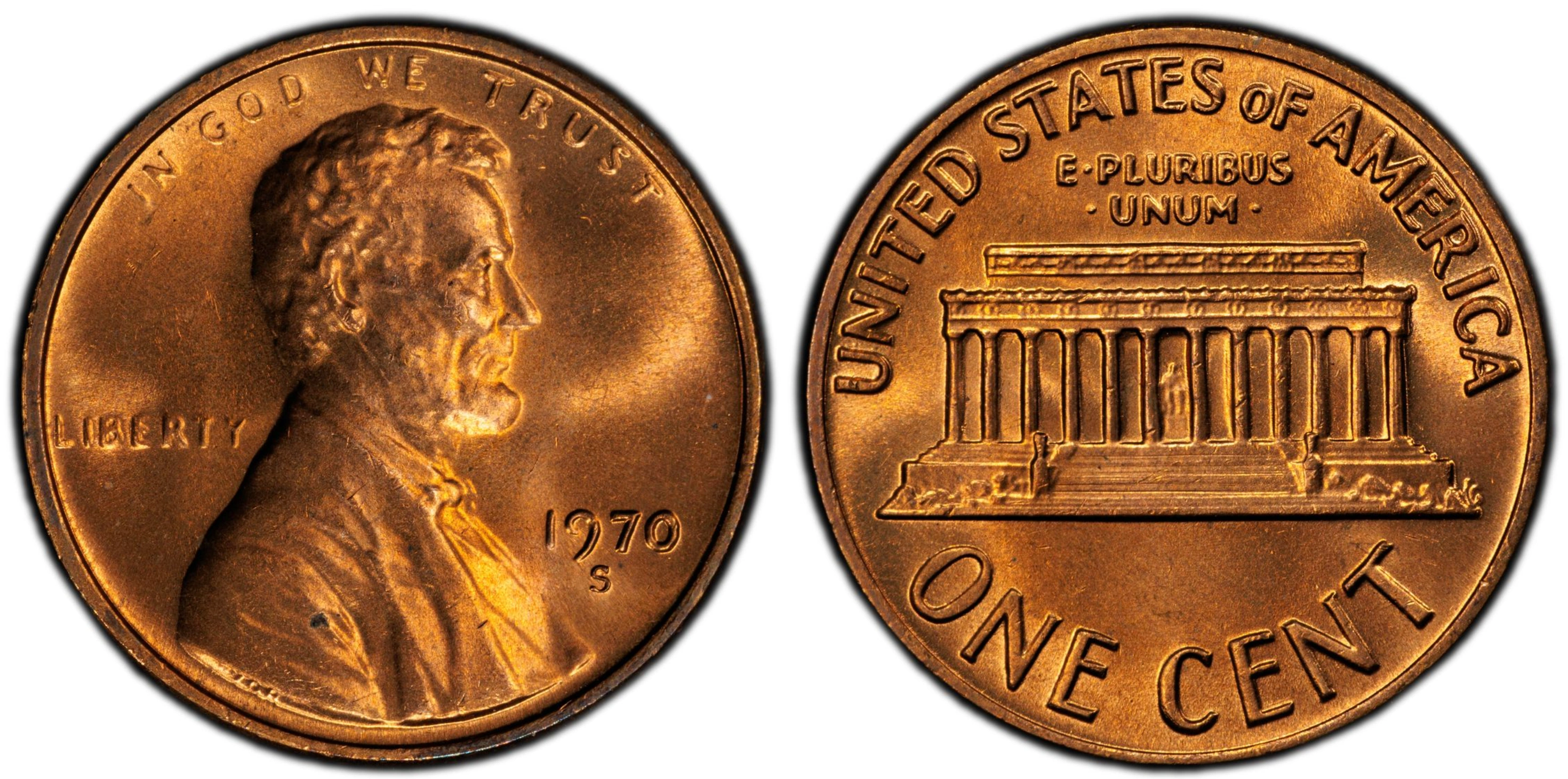
1970 S San Francisco Mint Penny
This facility placed an S 1970 penny mint mark under the date. Here, the narrative changes completely. The real collector prizes hide within this specific batch. The mint modified the coin design mid-year, which triggered a large treasure hunt that continues to this day.
Remember about Small Date and Large Date varieties. The scarcer Small Date variety accounts for roughly 10 % to 15 % of the total San Francisco mintage.
This short production run created an immediate collector target. If you find an S mint mark, you must perform a close check.
Value Chart
Variety | Circulated | MS-65 |
Philadelphia | $0.01–$0.05 | $1–$3 |
Denver | $0.01–$0.05 | $1–$3 |
San Francisco Small Date | $0.01–$0.05 | $1–$4 |
San Francisco Large Date | $20–$50 | $400–$600 |
Hard data from sales on platforms like Heritage Auctions and GreatCollections clarifies what this 1970 penny worth money concept translates to in cash. Market records track the certified sales of these copper treasures.
Circulated or Mint State Prices
A large price difference exists between varieties. A common circulated Large Date coin fetches up to three dollars if it retains its original red color. A verified Small Date variant commands far more cash from numismatists.
The 1970 S small date value starts around twenty dollars for worn pieces from circulation rolls. In contrast, certified uncirculated examples increase significantly in price. For instance, a specimen with a PCGS MS-67 Red issue grade often exceeds $1,500 at public auction. Recent sales in 2025 and 2026 prove that conditional rarity dictates the final hammer price.
1970 Penny Mint Errors
Collectors hunt for more than just date sizes. Unique mechanical mistakes at the mint add immense value to this year. The 1970 penny error list includes rare error varieties.
DDO
The 1970 S doubled die penny, cataloged as variety FS-101, ranks among the top finds in modern numismatics. The die struck the planchet twice, which left a clear double design on the phrases. This extreme error causes intense competition among buyers.
Value MS-65 Red over $4,000 at a Heritage Auctions
Value MS-66+ Red – $38,400
Clipped Planchets
Other errors provide unique prize opportunities. A clipped planchet penny occurs when the punch machine bites into a metal strip twice, which creates a crescent bite out of the rim.
Value Record $400+
Off-Center Strikes
Off-center strikes happen when the dies hit a misaligned blank. These mechanical errors command premiums from fifty to several hundred dollars.
Value Record $350+
How to Grade an Item
For a copper coin like the 1970 penny, grading also requires a color designation:
BR
RB
RD
To grade your 1970 penny at home, utilize a loupe and examine these specific visual checkpoints under a strong incandescent light source:
Circulated Grades (Very Fine to Extremely Fine / VF–XF) – in these worn states, the coin has spent time in public commerce. Look closely at Abraham Lincoln’s portrait.
The fine lines in his hair above the ear and the sharp lapel lines on his coat will look flat or smoothed out. The lettering near the rims will show light friction but must remain fully legible.
Choice Uncirculated MS-65 – an MS65 specimen has never entered circulation. The coin must display a strong, uninterrupted mint luster across its fields. You may spot a few tiny, scattered contact marks or marks from when the coins jostled together during transport at the mint.
Superb Gem Uncirculated MS-67 – this tier represents absolute elite preservation. The fields must look completely clean to the naked eye, with blazing, vibrant red luster. Finding a standard 1970 Philadelphia or Denver cent at this grade level is highly uncommon, as copper naturally spots, carbonizes, or tones over time.
How to Protect the Penny
Proper storage and handling preserve the coin's color grade, protecting your asset from turning from a valuable Red into a less desirable Brown.
Handling Protocols
Always handle your 1970 pennies strictly by their outer rims. Never touch the flat fields or the central portrait design, as your fingertips leave behind microscopic traces of sweat and salt that eventually manifest as ugly, black carbon spots. Work over a soft cloth pad so a dropped coin does not sustain an edge nick or scratch.
Critical Safety Warning
Never clean, scrub, or polish a penny. Amateurs frequently try to restore a dull coin using:
Baking soda
Pencil erasers
Commercial copper dips
These abrasive methods strip away the original mint luster and leave behind telltale signs that professional graders identify instantly. Cleaning a rare coin can permanently destroy more than half of its market value.